
Blog
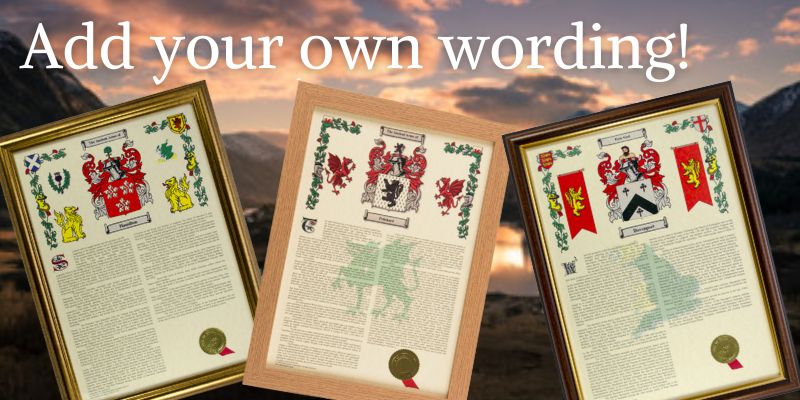
New! Add personalised wording to a Surname Scroll.
Personalised wording now available on a surname history scroll! We are excited to tell you that you can now add your own personalised wording to a surname history scroll! These gorgeous prints are already a wonderful personalised gift, but now you can...
Double Barrelled Surnames
Double Barrelled Surnames In the intricate world of surnames, the emergence of double barrelled surnames represents a unique fusion of tradition, unity, and personal expression. Originating from various cultural and historical influences, this naming practice...
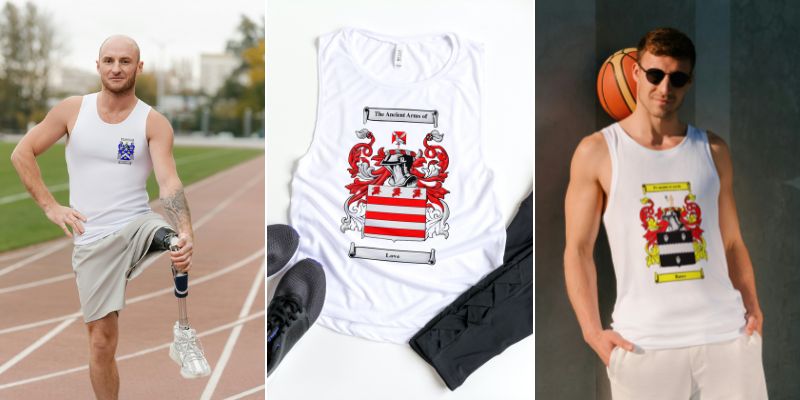
Personalised Vest with Family Crest
A vest with a crest! (And a coat of arms!) Looking for a fabulous gift that's eye-catching, unique, and full of personality? Look no further! Our personalised vests with family crests and coats of arms are adorned with a full colour artwork relating to your...
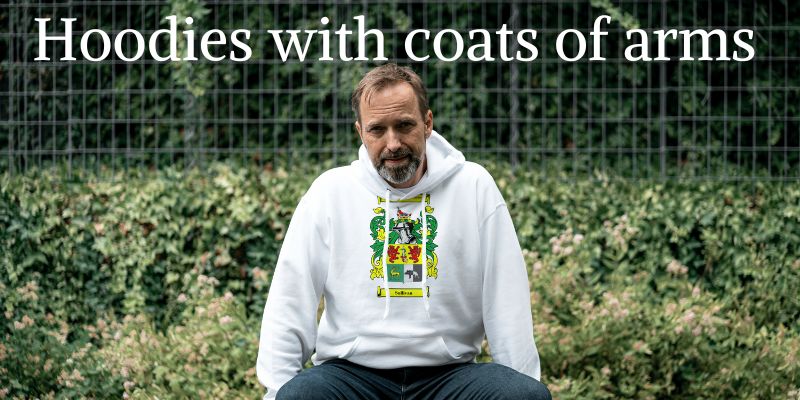
Hoodies with coat of arms
Looking for the perfect gift for yourself or a friend? Look no further than our personalised hoodies with coats of arms. With more than a million names available, we offer the chance to wear your family name's history with pride. Or alternatively, gift this unique...
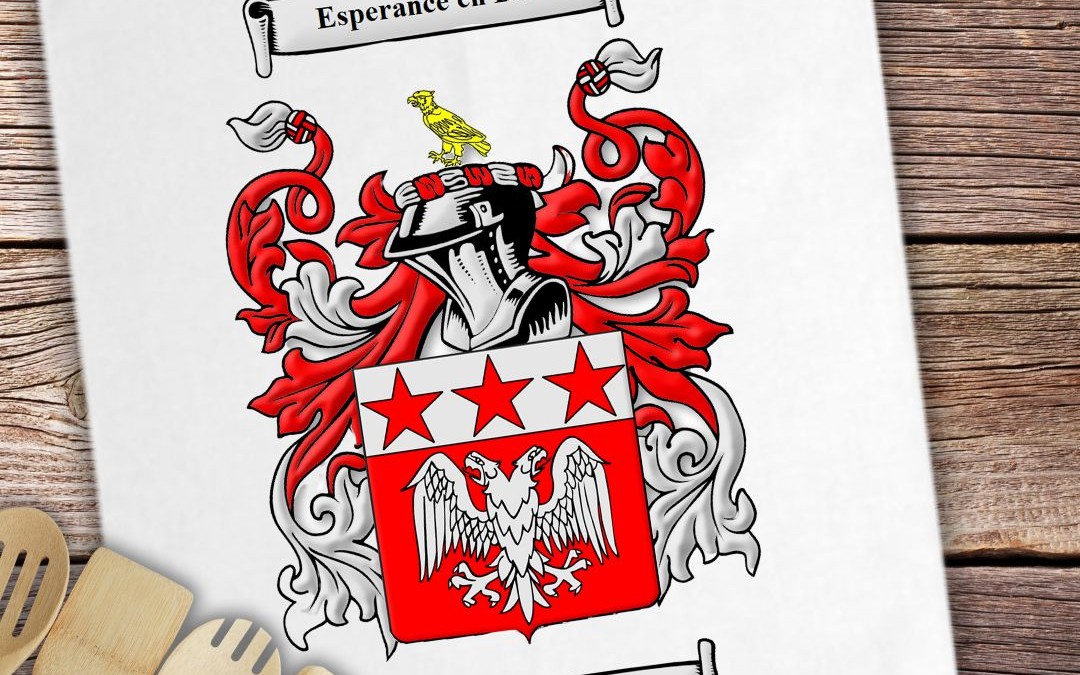
Personalised Tea Towel
A Personalised Tea Towel: Imagine having a piece of history in your hands. A symbol of your lineage, a representation of the legacy that your ancestors have left behind. We bring to you our exclusive tea towels, adorned with the coats of arms relating to a million...
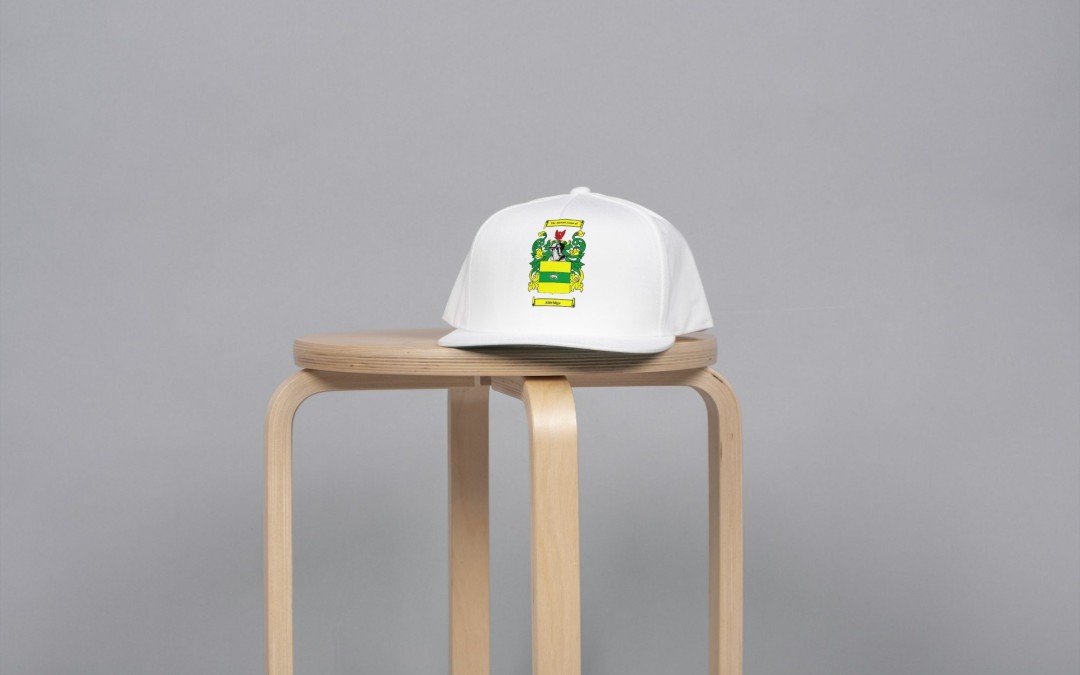
Cap Personalised with Coat of Arms / Family Crest
Are you looking for a gift that is as unique as the person you're giving it to? Want to give something that is both stylish and practical? Look no further. We have a suggestion for you - a personalised cap with coat of arms and family crest. It's not just an...

Migration from the UK to America
Migration from the UK to America It's fascinating to delve into family history and trace the voyages of our ancestors, and migration form the UK to America is often something we are asked about. This exploration can reveal incredible stories about our lineage...
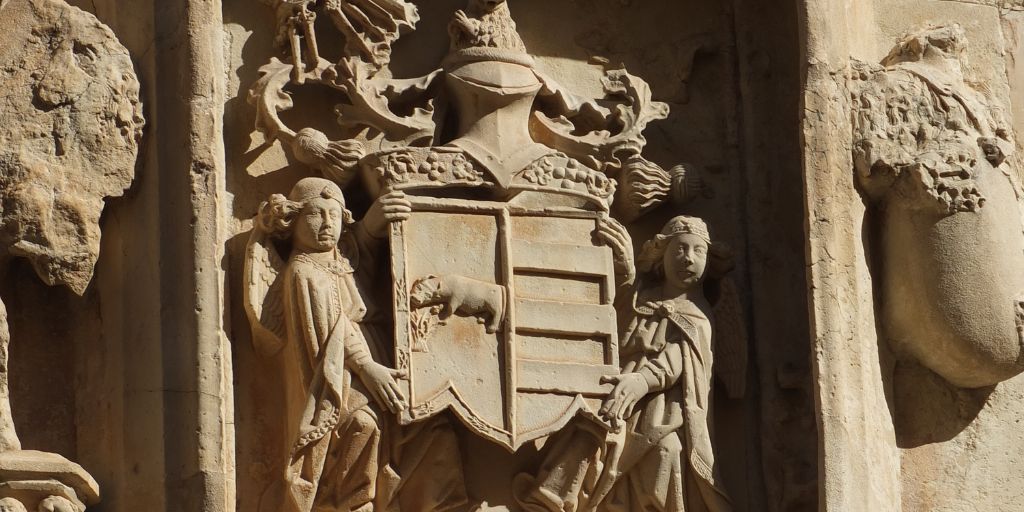
The mysteries behind coats of arms and family crests
Embark on an enlightening journey into the captivating world of heraldry, as we unravel the mysteries behind coats of arms and family crests. These emblematic representations have been around since the 1100s. They serve as unique identifiers on the battlefield,...
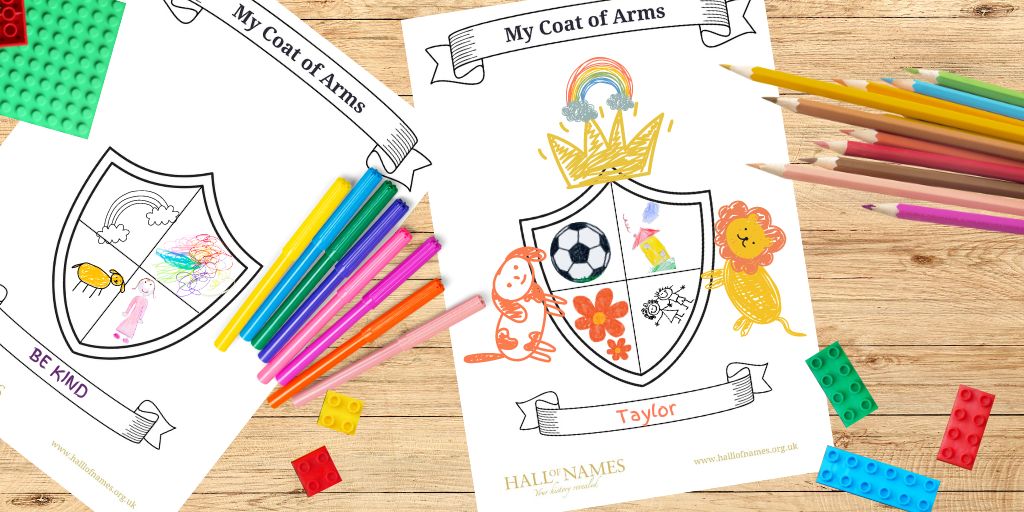
Coat of Arms Template
Coat of Arms Template – FREE! Would you like to design your very own shield with images that represent you and your life and achievements? Well, just for fun, we’ve created a coat of arms template, which you can download for free! We have included a few hints and...